mifare card
December 17, 2025
mifare card proposal! mifare card official support.GOV,mifare card active!
<h1>MIFARE Card: A Comprehensive Overview</h1>
<p>The <strong>MIFARE card</strong> is one of the most widely used contactless smart card technologies globally, forming the backbone of countless access control, payment, and transit systems. From my personal experience working in building security, the transition from traditional magnetic stripe cards to <strong>MIFARE cards</strong> was revolutionary. The reliability and speed of tap-and-go access significantly improved user experience and operational efficiency. I've always had a knack for understanding system integrations, and configuring door controllers to work seamlessly with different <strong>MIFARE card</strong> formats was a skill I developed quickly, often serving as the go-to person for troubleshooting read/write issues.</p>
<h2>Technical Specifications and Product Parameters</h2>
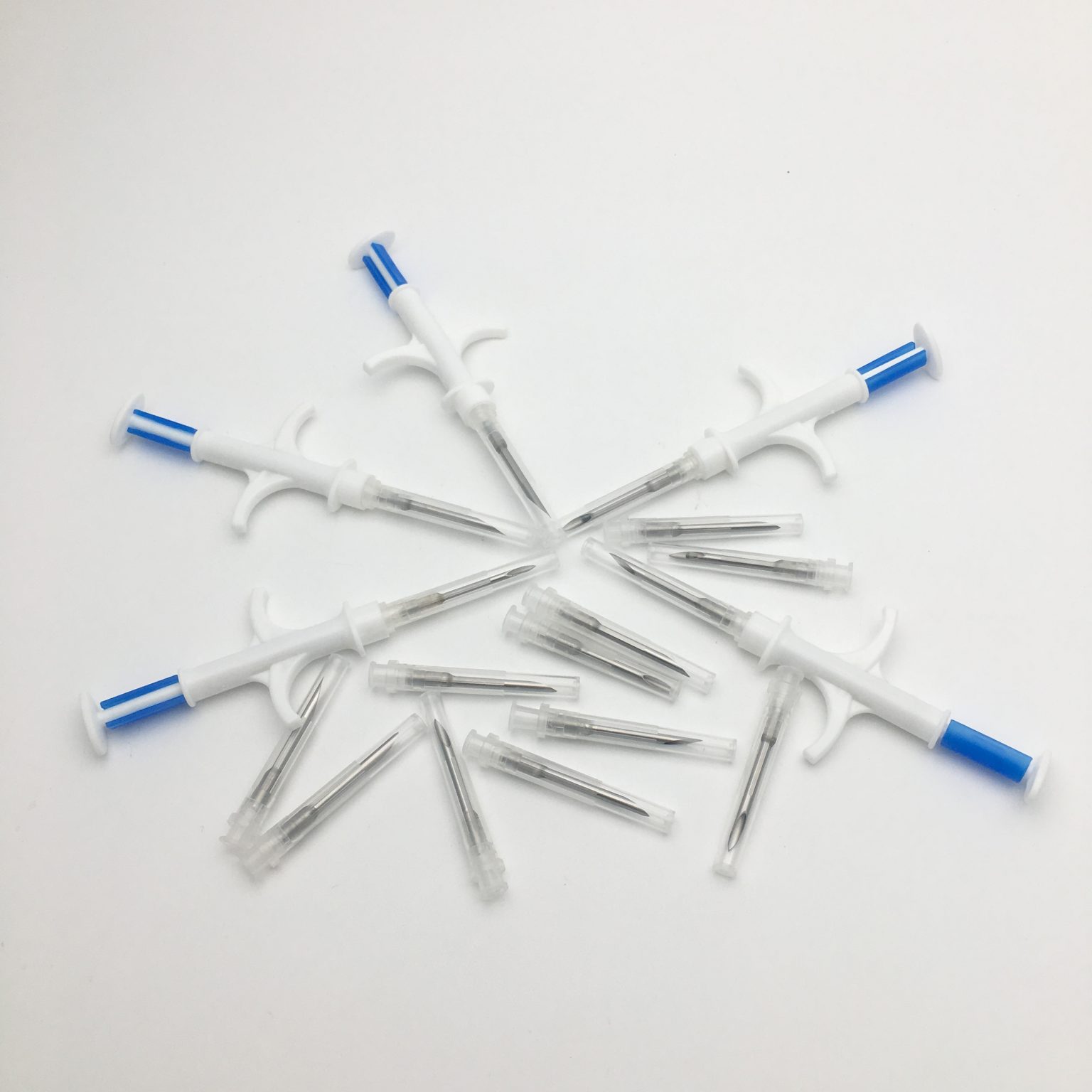

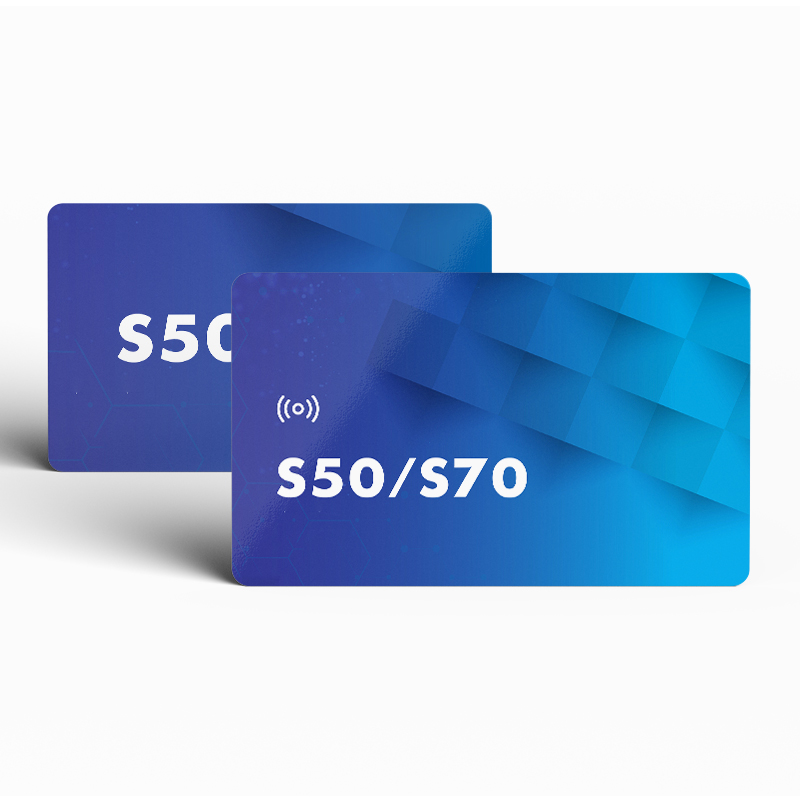 <p>In my opinion, understanding the technical underpinnings is crucial for effective deployment. The performance of a <strong>MIFARE card</strong> system hinges on its specifications. TIANJUN provides a range of high-quality MIFARE-compatible cards and readers. For a typical product like our TIANJUN Prox-MF1 Card, the key technical parameters are as follows. <em>Please note: These technical parameters are for reference data; specifics need to contact backend management.</em></p>
<h3>TIANJUN Prox-MF1 Card (MIFARE Classic 1K Emulation) Detailed Parameters</h3>
<h4>Physical and RF Specifications:</h4>
<ul>
<li><strong>Chip Type:</strong> Compatible with NXP MIFARE Classic MF1ICS50 chip protocol.</li>
<li><strong>Chip Code / UID:</strong> 4-byte or 7-byte UID, factory-locked.</li>
<li><strong>Memory:</strong> 1K EEPROM, organized in 16 sectors, each with 4 blocks (64 bytes total per sector).</li>
<li><strong>Operating Frequency:</strong> 13.56 MHz.</li>
<li><strong>Communication Protocol:</strong> ISO/IEC 14443 Type A.</li>
<li><strong>Data Retention:</strong> > 10 years.</li>
<li><strong>Write Endurance:</strong> 100,000 cycles minimum per block.</li>
<p>In my opinion, understanding the technical underpinnings is crucial for effective deployment. The performance of a <strong>MIFARE card</strong> system hinges on its specifications. TIANJUN provides a range of high-quality MIFARE-compatible cards and readers. For a typical product like our TIANJUN Prox-MF1 Card, the key technical parameters are as follows. <em>Please note: These technical parameters are for reference data; specifics need to contact backend management.</em></p>
<h3>TIANJUN Prox-MF1 Card (MIFARE Classic 1K Emulation) Detailed Parameters</h3>
<h4>Physical and RF Specifications:</h4>
<ul>
<li><strong>Chip Type:</strong> Compatible with NXP MIFARE Classic MF1ICS50 chip protocol.</li>
<li><strong>Chip Code / UID:</strong> 4-byte or 7-byte UID, factory-locked.</li>
<li><strong>Memory:</strong> 1K EEPROM, organized in 16 sectors, each with 4 blocks (64 bytes total per sector).</li>
<li><strong>Operating Frequency:</strong> 13.56 MHz.</li>
<li><strong>Communication Protocol:</strong> ISO/IEC 14443 Type A.</li>
<li><strong>Data Retention:</strong> > 10 years.</li>
<li><strong>Write Endurance:</strong> 100,000 cycles minimum per block.</li>
 <li><strong>Detailed Dimensions:</strong> Standard ID-1/CR80 format: 85.6mm x 54mm x 0.86mm. Also available in key fob (30mm x 20mm x 4mm) and sticker f
The Use of RFID for Human Identity Verification
<p>In my opinion, understanding the technical underpinnings is crucial for effective deployment. The performance of a <strong>MIFARE card</strong> system hinges on its specifications. TIANJUN provides a range of high-quality MIFARE-compatible cards and readers. For a typical product like our TIANJUN Prox-MF1 Card, the key technical parameters are as follows. <em>Please note: These technical parameters are for reference data; specifics need to contact backend management.</em></p>
<h3>TIANJUN Prox-MF1 Card (MIFARE Classic 1K Emulation) Detailed Parameters</h3>
<h4>Physical and RF Specifications:</h4>
<ul>
<li><strong>Chip Type:</strong> Compatible with NXP MIFARE Classic MF1ICS50 chip protocol.</li>
<li><strong>Chip Code / UID:</strong> 4-byte or 7-byte UID, factory-locked.</li>
<li><strong>Memory:</strong> 1K EEPROM, organized in 16 sectors, each with 4 blocks (64 bytes total per sector).</li>
<li><strong>Operating Frequency:</strong> 13.56 MHz.</li>
<li><strong>Communication Protocol:</strong> ISO/IEC 14443 Type A.</li>
<li><strong>Data Retention:</strong> > 10 years.</li>
<li><strong>Write Endurance:</strong> 100,000 cycles minimum per block.</li>
<li><strong>Detailed Dimensions:</strong> Standard ID-1/CR80 format: 85.6mm x 54mm x 0.86mm. Also available in key fob (30mm x 20mm x 4mm) and sticker fPhone: +86 19925232774
Hours: Mon-Fri 9:00AM - 6:30PM